

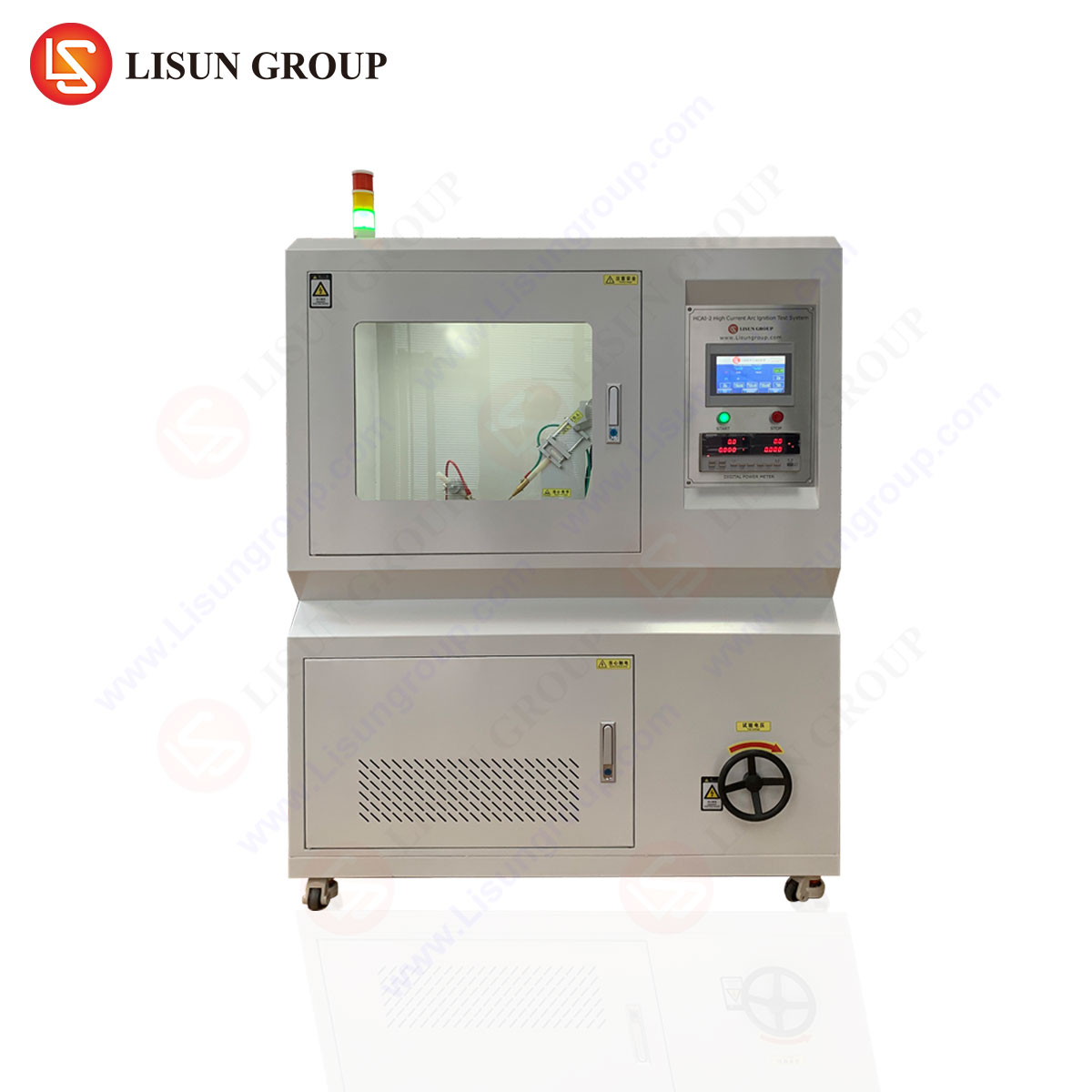



An Analytical Examination of SO₂ Corrosion Test Chambers: Technical Specifications and Industrial Applications
Introduction to Accelerated Sulfur Dioxide Corrosion Testing
The evaluation of material and component resilience to atmospheric corrosion represents a critical phase in the product development lifecycle across numerous industrial sectors. Among the various corrosive agents present in industrial and urban environments, sulfur dioxide (SO₂) stands as a particularly aggressive contaminant, primarily originating from the combustion of fossil fuels. Its interaction with atmospheric moisture forms sulfurous and sulfuric acids, initiating rapid electrochemical corrosion processes that can severely degrade metallic surfaces, conductive pathways, and protective coatings. To reliably predict long-term field performance within a condensed laboratory timeframe, SO₂ corrosion test chambers are employed to execute accelerated aging tests under controlled, repeatable conditions. These chambers simulate and intensify environmental exposure to sulfur dioxide, enabling manufacturers to identify design vulnerabilities, validate material selections, and ensure compliance with international testing standards prior to market release.
Fundamental Operating Principles of SO₂ Test Chambers
The core function of an SO₂ corrosion test chamber is to create and maintain a precisely controlled atmosphere containing a specified concentration of SO₂ gas, at a defined temperature and relative humidity, for programmed durations. The testing methodology is not a direct simulation of any single real-world environment but rather an accelerated comparative evaluation. The process typically follows a cyclical pattern, often involving exposure phases followed by ambient recovery periods, to exacerbate corrosion mechanisms akin to wet/dry cycling in nature.
The chamber introduces a metered volume of SO₂ gas from an external cylinder into a sealed test workspace. A sophisticated gas injection system, often incorporating mass flow controllers or precise volumetric methods, ensures accurate concentration levels, commonly expressed in parts per million by volume (ppmv) or as a volume percentage. Concurrently, a humidification system—frequently a boiler or atomizer—elevates and stabilizes relative humidity (RH) to high levels, typically 75% RH or above, as the corrosive reaction requires an electrolyte film. Precision heaters and refrigeration systems maintain chamber temperature within a narrow tolerance, usually between 35°C and 40°C, to accelerate chemical kinetics without inducing unrealistic failure modes. Integrated circulation fans ensure homogeneous distribution of gas, temperature, and humidity, guaranteeing uniform exposure for all test specimens. The entire sequence is governed by a programmable logic controller (PLC) or microprocessor-based system, allowing for complex multi-cycle test profiles.
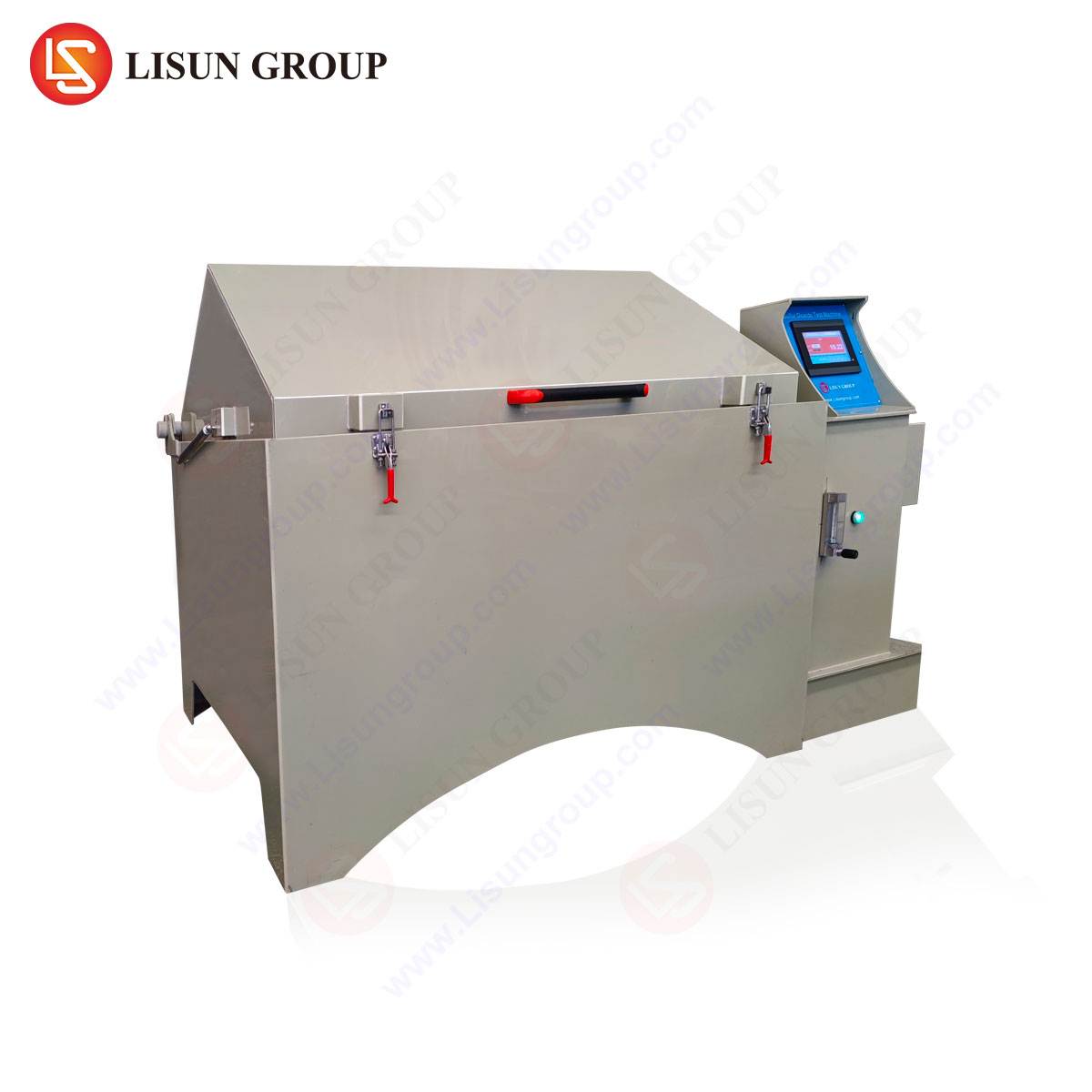
Technical Specifications of the LISÚN Cámara de prueba de dióxido de azufre SQ-010
The LISUN SQ-010 model exemplifies a modern, fully integrated solution designed for compliance with key industry standards including IEC 60068-2-42, IEC 60068-2-43, ISO 3231, and ASTM G87. Its design prioritizes precise environmental control, user safety, and operational durability.
- Workspace Volume: The chamber offers a standardized internal test volume, providing sufficient capacity for batch testing of multiple components or larger assemblies.
- Gama de temperaturas: The adjustable range spans from ambient +10°C to +50°C, with a standard operating setpoint for SO₂ testing of 40±1°C. Heating is achieved via nickel-chromium alloy electric heaters with low thermal inertia.
- Humidity Range: The RH capability extends from 60% to 98% RH under elevated temperature conditions. Humidity generation is typically managed through a boiler steam system, ensuring rapid response and stable control.
- SO₂ Concentration Control: The chamber is engineered to maintain concentrations commonly required by standards, such as 0.033%, 0.067%, or 0.33% (by volume). Concentration is regulated via a precise dosing system and verified through chamber air circulation and monitoring.
- Construction Materials: Critical interior surfaces are fabricated from imported corrosion-resistant polymer materials or thick, welded polypropylene. This construction prevents chamber degradation from the corrosive atmosphere, ensuring test integrity and long service life. The outer casing is of cold-rolled steel with electrostatic powder coating.
- Gas Introduction System: The system incorporates a dedicated inlet port, pressure regulator, and solenoid valve for safe and accurate SO₂ injection. Safety features include leak detection protocols and automatic gas shutoff.
- Sistema de control: An intuitive touch-screen programmable controller allows for the setting of total test duration, SO₂ injection cycles, temperature, humidity, and dwell periods. Data logging capabilities enable tracking of all parameters over the test timeline.
- Características de seguridad: These encompass a gas leakage alarm with audible and visual indicators, an automatic exhaust purification system to neutralize SO₂ before venting, over-temperature protection, and a safety pressure relief port.
Table 1: Key Technical Parameters of the LISUN SQ-010 Chamber
| Parámetro | Especificación |
| :— | :— |
| Volumen interno | Standardized test capacity (e.g., 300L) |
| Rango de temperatura | Ambient +10°C to +50°C |
| Fluctuación de temperatura | ≤ ±0.5°C |
| Uniformidad de temperatura | ≤ ±2.0°C |
| Rango de humedad | 60% to 98% RH (at elevated T) |
| Humidity Tolerance | ±1% to ±3% RH |
| SO₂ Concentration | 0.033% to 0.67% (vol.) adjustable |
| Concentration Uniformity | Ensured by forced air circulation |
| Material interior | Imported corrosion-resistant polymer |
| Control Interface | Programmable touch-screen controller |
| Normas de cumplimiento | IEC 60068-2-42/43, ISO 3231, ASTM G87 |
Aplicaciones y casos de uso específicos del sector
The application spectrum for SO₂ corrosion testing is vast, covering any product destined for environments with industrial pollution or combustion byproducts.
Electrical and Electronic Equipment & Industrial Control Systems: Printed circuit board assemblies (PCBAs), connectors, and relay contacts are tested for corrosion-induced increases in contact resistance, dendritic growth leading to short circuits, and degradation of conformal coatings. For industrial control cabinets installed in manufacturing plants, the test validates the protection level of enclosures and the corrosion resistance of internal busbars and terminal blocks.
Electrónica del automóvil: Components such as engine control units (ECUs), sensors, and wiring harness connectors are evaluated for their ability to withstand corrosive atmospheres exacerbated by road salts and urban pollution, which can combine with moisture to form sulfate compounds.
Lighting Fixtures and Outdoor Telecommunications Equipment: The protective finishes on aluminum housings for streetlights, traffic signals, and 5G antenna enclosures are assessed for pitting and galvanic corrosion. The test checks the seal integrity of gaskets and the performance of sacrificial anodes in coastal or industrial areas.
Electrodomésticos y electrónica de consumo: Control panels, internal wiring, and metallic trim on appliances like washing machines or air conditioners used in regions with high atmospheric pollution are validated. For consumer electronics, the test applies to external ports (USB, HDMI) and shielding cans.
Aerospace and Aviation Components: While high-altitude environments differ, components used in ground support equipment, airport-installed navigation aids, and within cargo holds are exposed to varied atmospheres. Testing ensures the reliability of electrical connections and lightweight alloy components.
Medical Devices and Office Equipment: For devices used in laboratories or industrial medical settings, corrosion testing ensures the functionality of metallic casings, moving parts in imaging equipment, and electrical contacts in diagnostic devices. Office equipment such as servers and printers deployed in industrial offices are similarly validated.
Electrical Components, Cable, and Wiring Systems: The fundamental building blocks—switches, sockets, circuit breakers, and cable shielding—are subjected to SO₂ testing to verify that corrosion will not lead to overheating, contact failure, or loss of insulation properties.
Standards Compliance and Testing Methodologies
Adherence to internationally recognized test standards is non-negotiable for ensuring reproducible, comparable, and credible results. These standards define the exact conditions—gas concentration, temperature, humidity, cycle duration—and the assessment criteria.
- IEC 60068-2-42 (Test Kc): This standard outlines a test for contacts and connections, using a low concentration of SO₂ (e.g., 0.067% or 0.33%) at 25±2°C and high humidity (≥85% RH) to assess the corrosive effects on electrical components.
- IEC 60068-2-43 (Test Kd): This standard provides guidance for tests applicable to equipment and components in general, often employing higher concentrations and temperatures (e.g., 40°C) for more severe acceleration.
- ISO 3231: Paints and varnishes are tested for resistance to humid atmospheres containing SO₂, assessing blistering, cracking, and loss of adhesion of protective coatings.
- ASTM G87: This standard practice describes conducting moist SO₂ tests for evaluating corrosion resistance.
A typical test cycle in the LISUN SQ-010 might involve a 24-hour period: an 8-hour exposure phase with SO₂ injection at 40°C and 90% RH, followed by a 16-hour dwell period at elevated humidity without gas, repeated for a specified number of days (e.g., 2, 4, 7, or 21 cycles). Post-test evaluation includes visual inspection per ISO 10289 rating system, measurement of electrical continuity, mechanical functionality checks, and analysis of corrosion products.
Comparative Advantages in Precision and Control
The technical merits of a chamber like the LISUN SQ-010 become apparent when examining key operational metrics. The use of polymer-based interior construction eliminates a primary failure point seen in some chambers where metallic interiors eventually corrode, contaminating tests and damaging the apparatus. The precision of the gas dosing system, coupled with advanced humidity and temperature control algorithms, ensures that the specified corrosive climate is not only achieved but maintained with minimal deviation throughout the test duration. This stability is paramount for producing statistically significant data that can be correlated with field performance. The integrated exhaust scrubbing system addresses a critical environmental and safety concern, neutralizing the SO₂ before release, which is a significant operational advantage in regulated laboratory settings. Furthermore, the programmability of the controller allows for the creation of complex, multi-stage test profiles that can more accurately simulate specific environmental sequences or combine SO₂ exposure with other stress factors.
Conclusión
The SO₂ corrosion test chamber remains an indispensable instrument for quality assurance and reliability engineering. By providing a controlled, accelerated, and reproducible corrosive environment, it enables manufacturers to de-risk product deployment in challenging atmospheres. The technical sophistication embodied in devices such as the LISUN SQ-010, with its emphasis on precise environmental control, durable corrosion-resistant construction, and adherence to international standards, provides the necessary toolkit for developing robust electrical components, electronic systems, and finished goods. As global industries continue to push the boundaries of miniaturization, material science, and operational longevity, the role of precise accelerated corrosion testing will only grow in significance, ensuring product integrity and safety across an increasingly interconnected and demanding technological landscape.
Preguntas más frecuentes (FAQ)
Q1: What is the typical correlation between test duration in an SO₂ chamber and real-world service life?
A1: There is no universal acceleration factor, as correlation depends heavily on the specific materials, geometries, and the actual field environment. The test is primarily a comparative, qualitative tool. A component that withstands 7 cycles of a severe test may outperform a failed counterpart in the field, but predicting exact service years requires complementary field data and historical correlation studies specific to the product family.
Q2: Can the LISUN SQ-010 chamber test other corrosive gases besides sulfur dioxide?
A2: The SQ-010 is specifically engineered and constructed for SO₂ testing. Its materials, gas delivery system, and safety scrubbers are optimized for this application. Testing other gases like hydrogen sulfide (H₂S) or mixed gases requires a chamber designed for those specific chemistries, with compatible materials and detection systems, to ensure safety and test validity.
Q3: How is the concentration of SO₂ inside the chamber measured and verified?
A3: Concentration is primarily controlled through precise volumetric or mass-flow metering during the injection phase. Verification is achieved indirectly by ensuring perfect sealing of the chamber, complete circulation of the atmosphere, and strict adherence to the prescribed injection volume relative to the chamber’s known internal volume. For absolute verification, external analytical methods like detector tubes or portable gas analyzers can be used to sample the chamber atmosphere through a dedicated port.
Q4: What are the critical preparation steps for specimens before testing?
A4: Specimens must be clean and free of oils, fingerprints, or temporary protectives that could alter results. They should be representative of final production, including any applied coatings or platings. Electrical components should have their operational status (e.g., contact resistance) measured and recorded prior to testing. Specimens must be mounted in a manner that exposes all critical surfaces to the atmosphere without creating sheltered areas, typically using non-conductive, inert racks.
Q5: Is it permissible to open the chamber during a test cycle to inspect specimens?
A5: No. Opening the chamber during an exposure phase will irreparably alter the test conditions, releasing the controlled atmosphere and introducing uncontrolled ambient air. This invalidates the test’s reproducibility and acceleration parameters. Inspection must only occur after the programmed test cycle is fully complete and the chamber has been purged of corrosive gas according to safety protocols.

 ES
ES  EN
EN  RU
RU  PT
PT  TR
TR  AR
AR  DE
DE  PL
PL  IT
IT  FR
FR  KO
KO  JA
JA  ID
ID