




Understanding IK Ratings: A Guide to Impact Protection for Electrical Enclosures
Introduction to Mechanical Impact Protection in Enclosure Design
The integrity of an electrical enclosure is defined by its dual protective mandates: safeguarding internal components from environmental ingress and providing robust mechanical resistance against external forces. While the IP (Ingress Protection) rating system is universally recognized for defining protection against solids and liquids, the complementary IK (Impact Protection) rating codifies an enclosure’s resilience to mechanical impacts. This systematic classification, governed by international standard IEC 62262 (aligned with European standard EN 62262), provides a quantifiable metric for engineers, specifiers, and end-users to evaluate the suitability of an enclosure for environments where accidental or deliberate impacts are a foreseeable risk. A comprehensive understanding of IK ratings is therefore not merely an academic exercise but a critical component in risk mitigation, product longevity, and operational safety across a diverse spectrum of industries.
Decoding the IEC 62262 Standard: Methodology and Kinetic Energy Equivalents
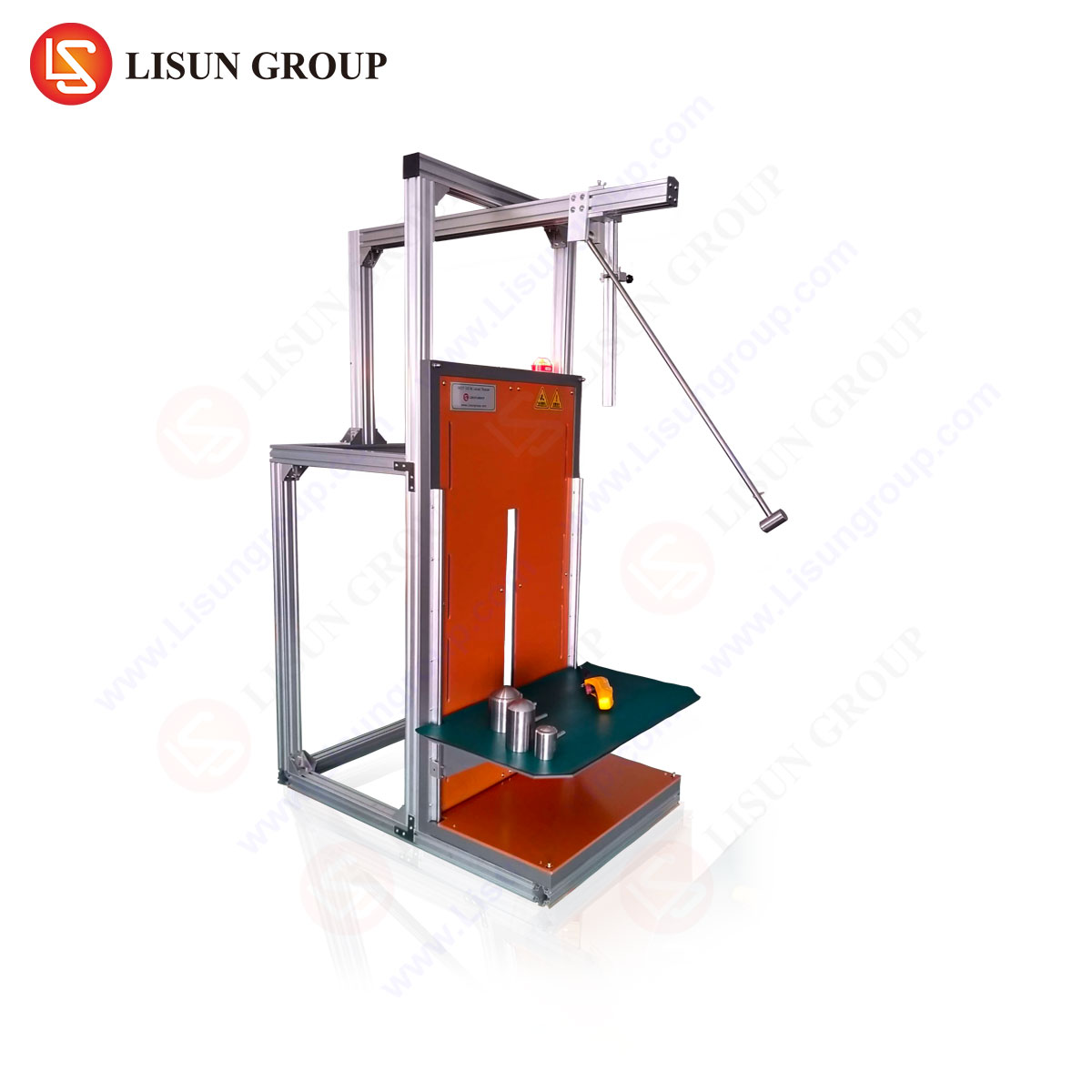
The IK rating system is an empirically derived scale from IK00 to IK10, with IK00 offering no defined protection and IK10 representing the highest level of impact resistance. The core of the standard is the correlation between the IK code and the kinetic energy of a standardized impact, measured in joules (J). The testing methodology employs a calibrated pendulum hammer or a vertical drop hammer, with the impacting element typically being a hardened steel hemisphere of specified radius. The enclosure under test is mounted rigidly, and impacts are delivered at prescribed positions.
The progression of ratings is logarithmic rather than linear, reflecting significant increases in required robustness. For instance, IK07 (2 J) is suitable for minor accidental knocks, while IK10 (20 J) is designed to withstand deliberate, forceful blows. It is crucial to note that the rating is assigned based on the test energy at which the enclosure continues to provide its intended function and protective degree—specifically, it must not exhibit damage that would impair safety, compromise the IP rating, or prevent the operation of internal devices. The following table illustrates the definitive relationship between IK code, impact energy, and the number of test impacts mandated by the standard.
Table 1: IK Code, Impact Energy, and Test Requirements per IEC 62262
| IK Code | Impact Energy (Joules) | Number of Impacts (Minimum) |
| :— | :— | :— |
| IK00 | Not protected | – |
| IK01 | 0.15 J | 5 |
| IK02 | 0.2 J | 5 |
| IK03 | 0.35 J | 5 |
| IK04 | 0.5 J | 5 |
| IK05 | 0.7 J | 5 |
| IK06 | 1 J | 5 |
| IK07 | 2 J | 5 |
| IK08 | 5 J | 5 |
| IK09 | 10 J | 5 |
| IK10 | 20 J | 5 |
The Critical Role of High-Energy IK Testing in Product Validation
For components destined for harsh or public environments, validation against high-energy impacts (IK07 to IK10) is non-negotiable. This tier of testing simulates severe real-world conditions: the shock from a dropped tool in an industrial setting, vandalism in public infrastructure, or collisions in automated material handling systems. The testing apparatus for this range must deliver highly repeatable and accurate impacts to ensure reliable certification. Traditional, manually operated pendulum testers can introduce variability in swing angle and impact point alignment, potentially compromising test consistency.
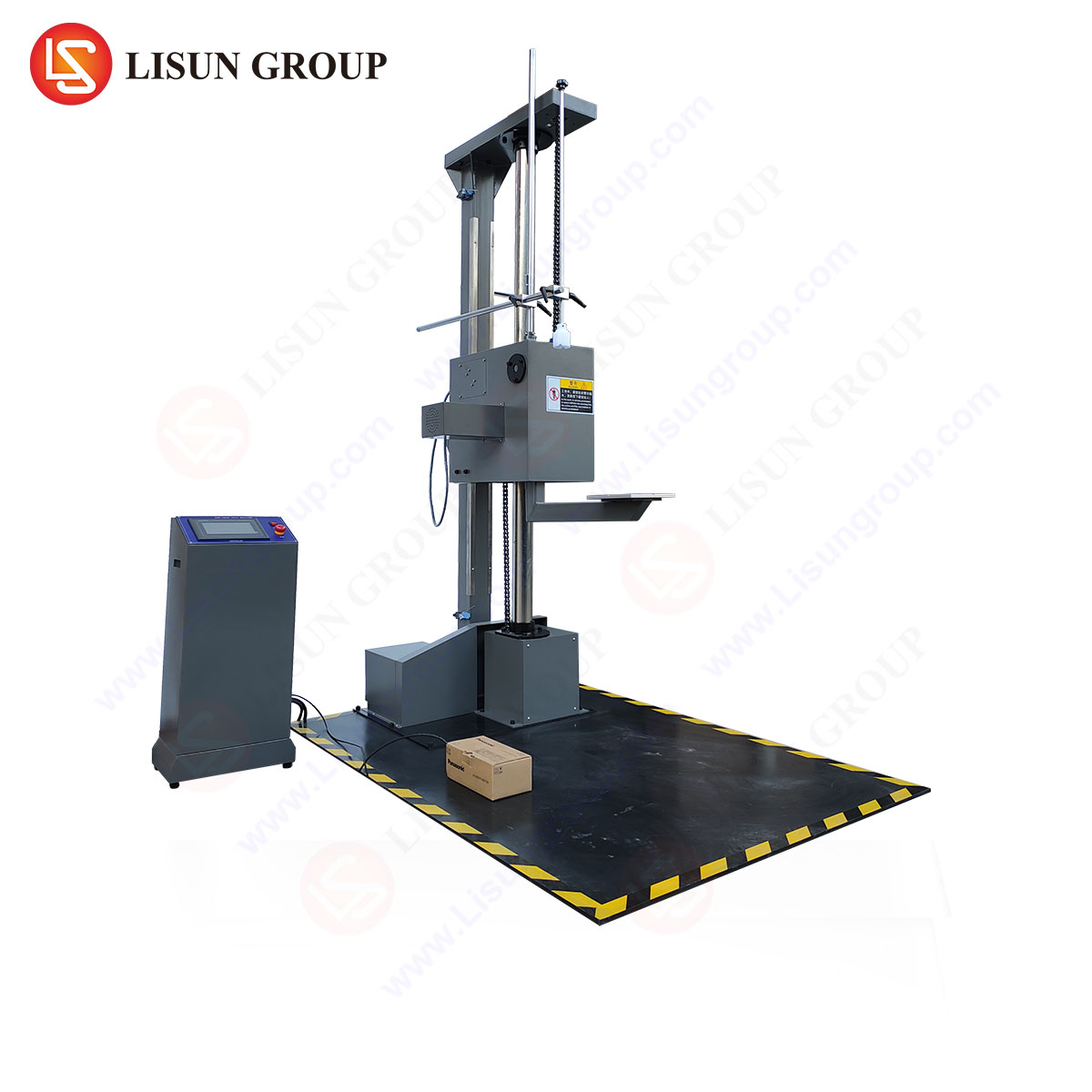
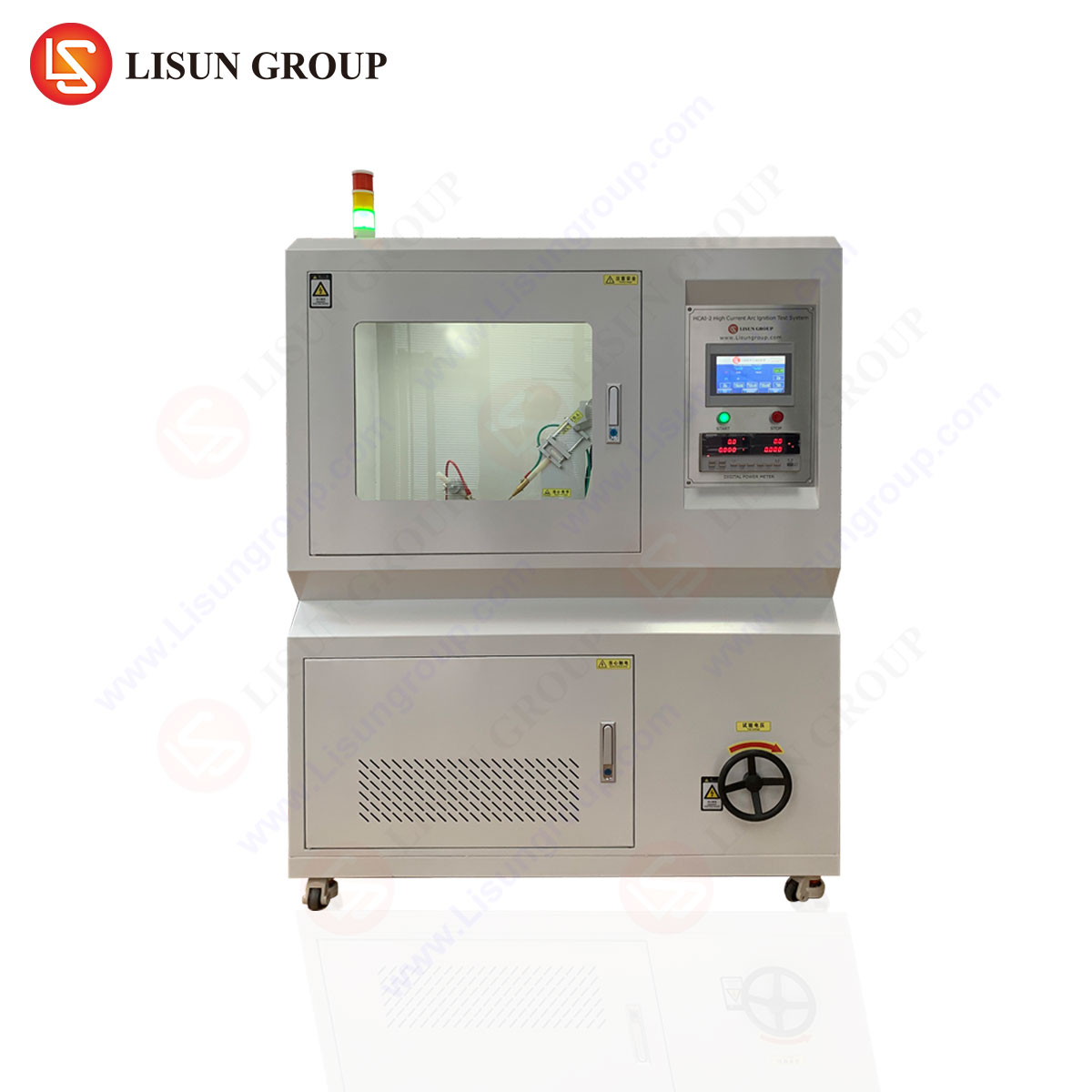
This is where dedicated, precision-engineered test equipment becomes paramount. The LISUN IK07-10VT IK Test System exemplifies the technological evolution in this field. It is a fully integrated, vertical drop test apparatus specifically designed for conducting IK07 through IK10 tests with exceptional repeatability. The system automates the release of a standardized striker, ensuring a perfectly vertical drop from a calculated height to achieve the exact kinetic energy specified by the standard (e.g., 20 J for IK10). This eliminates operator-induced variables, providing manufacturers with unequivocal data on their enclosure’s performance. The VT variant often includes advanced features like electromagnetic release mechanisms, height adjustment digital readouts, and robust safety enclosures to contain debris, aligning laboratory practices with stringent quality assurance protocols.
Specifications and Operational Principles of the IK07-10VT Test System
The LISUN IK07-10VT is engineered as a turnkey solution for compliance testing. Its core specification is its ability to accurately generate impact energies of 2 J, 5 J, 10 J, and 20 J through a controlled vertical drop. The system typically comprises a rigid steel frame, a guided release mechanism for the striker assembly, a test anvil with a secure mounting platform for the specimen, and integrated safety guards.
The testing principle is governed by physics: potential energy (mgh) is converted to kinetic energy upon release. The system’s design ensures minimal frictional losses in the guide mechanism, guaranteeing that the energy at the point of impact is within the tight tolerances required by IEC 62262. The striker, or “hammer,” conforms to the dimensional and material specifications of the standard (e.g., a 50mm radius hardened steel hemisphere for IK07-IK10). Operational procedure involves securely mounting the enclosure specimen, selecting the target impact energy, setting the corresponding drop height via a calibrated scale or digital interface, and activating the release. Multiple impacts are applied to different points on the sample as per the standard’s requirements. Post-test assessment involves a thorough inspection for cracks, fractures, deformation, and verification that the enclosure’s IP rating remains intact and that any internal components, such as circuit breakers or terminal blocks, remain fully operational.
Industry-Specific Applications for High-Impact-Rated Enclosures
The application of IK-rated enclosures permeates virtually every sector where electronics interface with the physical world. The following use cases highlight the necessity of rigorous IK testing, particularly in the IK07-IK10 range.
- Electrical and Electronic Equipment & Industrial Control Systems: Motor control centers (MCCs), programmable logic controller (PLC) housings, and field junction boxes in manufacturing plants are susceptible to impacts from forklifts, pallets, or handheld tools. An IK08 or IK09 rating is often specified to prevent catastrophic downtime.
- Eletrónica automóvel: Control units mounted in vehicle engine bays or undercarriages require protection from stone strikes and vibration-induced contact. EV charging station enclosures, both public and private, mandate high IK ratings (IK08-IK10) to resist vandalism and accidental vehicle contact.
- Luminárias: Public area lighting, industrial high-bay lights, and street luminaires are subject to environmental forces and vandalism. IK08 and IK09 ratings ensure the luminaire’s housing protects the electrical gear and maintains its seal against moisture.
- Equipamentos de telecomunicações: Outdoor cabinets housing fiber optic splitters, 5G small cell electronics, and roadside communication infrastructure must withstand both environmental extremes and potential physical interference, making IK08 a common baseline requirement.
- Medical Devices and Aerospace Components: While the environments are controlled, the consequences of failure are severe. Mobile medical carts, diagnostic equipment housings, and avionics bay enclosures may require specific IK ratings to guarantee integrity against handling impacts during transport or maintenance.
- Electrical Components, Consumer Electronics, and Office Equipment: From robust industrial switches (IK07) and socket outlets to point-of-sale terminals, ATMs (IK09-IK10), and ruggedized tablets, impact protection is a key differentiator for product durability and user safety.
Competitive Advantages of Automated, High-Precision IK Testing
Utilizing a dedicated system like the LISUN IK07-10VT confers several distinct advantages over generic or manual testing setups. First is test repeatability and accuracy. The automated drop mechanism ensures each impact is identical, producing reliable and auditable results for certification bodies such as UL, TÜV, or Intertek. This reduces the risk of false passes or failures due to equipment inconsistency.
Second is enhanced laboratory efficiency and safety. The integrated design streamulates the testing workflow, allowing for rapid setup and execution of multiple tests. The safety enclosure protects the operator from flying fragments during high-energy tests, a critical consideration for occupational health and safety compliance.
Third is data integrity and traceability. Precision equipment supports quality management systems (e.g., ISO 9001) by providing unambiguous test records, essential for both internal quality control and demonstrating compliance to clients and regulators. This level of assurance is invaluable for manufacturers in litigious or highly regulated industries like aerospace and medical devices, where product failure documentation is scrutinized.
Correlation Between IK Ratings and Complementary Standards
A holistic enclosure specification never considers IK ratings in isolation. The most critical correlation is with the IP rating. An impact that cracks or deforms an enclosure can easily compromise its seals, allowing dust or water ingress. Therefore, a product certified to, for example, IP66 and IK09 must maintain its IP66 performance after being subjected to the IK09 impacts. This combined testing is a stringent validation of overall robustness.
Furthermore, IK testing interacts with other mechanical stress standards. Vibration testing (IEC 60068-2-6) may reveal fatigue points that become failure origins during impact. Static load testing (for rooftop enclosures) assesses different but concurrent mechanical stresses. The informed specifier understands that these standards form an interlinked web of mechanical integrity assessments, with IK addressing the acute, localized shock event.
Conclusão
The IK rating system provides an essential, standardized language for mechanical impact protection. As electronic systems become more embedded in demanding and accessible environments, the requirement for validated, high-level impact resistance grows accordingly. For manufacturers, investing in precise and reliable testing equipment, such as the LISUN IK07-10VT IK Test System, is not merely a cost of compliance but a strategic investment in product reliability, brand reputation, and market differentiation. By rigorously validating enclosure performance against the quantifiable metrics of IEC 62262, engineers can design with greater confidence, ensuring that the protective shell fulfills its fundamental purpose: preserving the functionality and safety of the critical systems within.
Secção FAQ
Q1: Can the LISUN IK07-10VT system be used to test for IK ratings below IK07?
A1: The IK07-10VT is specifically optimized for the higher energy range of 2 J to 20 J. Testing for lower IK ratings (IK00-IK06) typically requires a different pendulum-based apparatus, as defined by the standard, to accurately deliver the lower impact energies with appropriate striker geometries.
Q2: How is the test specimen mounted during testing, and does the standard allow for flexibility to simulate real-world mounting conditions?
A2: IEC 62262 mandates that the enclosure be mounted in a “representative manner” on a rigid support. The standard provides guidelines, but the mounting should ideally simulate the intended final installation. The mounting platform on test systems like the IK07-10VT is designed to accommodate various fixture configurations to meet this requirement, ensuring the test validates real-world performance.
Q3: After an enclosure passes an IK10 test, does it automatically maintain its original IP rating?
A3: Not automatically. The standard requires that the enclosure, post-impact, continue to meet its specified degree of protection. This must be verified. Often, for a combined IP and IK certification, the IP test (e.g., for dust and water ingress) is performed after the IK impact tests to conclusively demonstrate that the seals and integrity remain functional.
Q4: For a product intended for global markets, is IEC 62262 universally accepted, or are there regional variations?
A4: IEC 62262 is the core international standard. It has been adopted as EN 62262 in Europe and is widely referenced globally. Other regional standards, such as certain UL standards in North America, may have different mechanical impact test methods. A comprehensive global compliance strategy often requires testing to multiple standards, though IEC 62262 is frequently the baseline.
Q5: What are the key calibration and maintenance requirements for a system like the IK07-10VT to ensure ongoing accuracy?
A5: Critical maintenance includes regular verification of the drop height calibration, inspection of the guide mechanisms for wear or friction, and ensuring the striker (hammer) remains undamaged and within dimensional tolerances. Periodic calibration against a traceable standard, typically performed by an accredited metrology service, is essential to maintain the certification authority of the test results generated by the equipment.

 PT
PT  EN
EN  ES
ES  RU
RU  TR
TR  AR
AR  DE
DE  PL
PL  IT
IT  FR
FR  KO
KO  JA
JA  ID
ID